
Creating a flexible budget to handle emergencies in the U.S. in 2025 requires strategic planning and thoughtful tips to ensure financial stability. In an uncertain financial landscape, having a robust plan can provide peace of mind. This guide will walk you through the steps needed to build an adaptable financial strategy, prioritize expenses, and create a safety net that will cushion unexpected events. Our approach focuses on understanding your current financial situation, setting realistic goals, and adjusting to changes effectively.
As life throws unexpected challenges your way, having a flexible financial plan is more important than ever. Whether it’s medical emergencies, job loss, or unforeseen expenses, being prepared with a well-structured budget can reduce stress and provide a sense of security.
Understanding the importance of a flexible budget
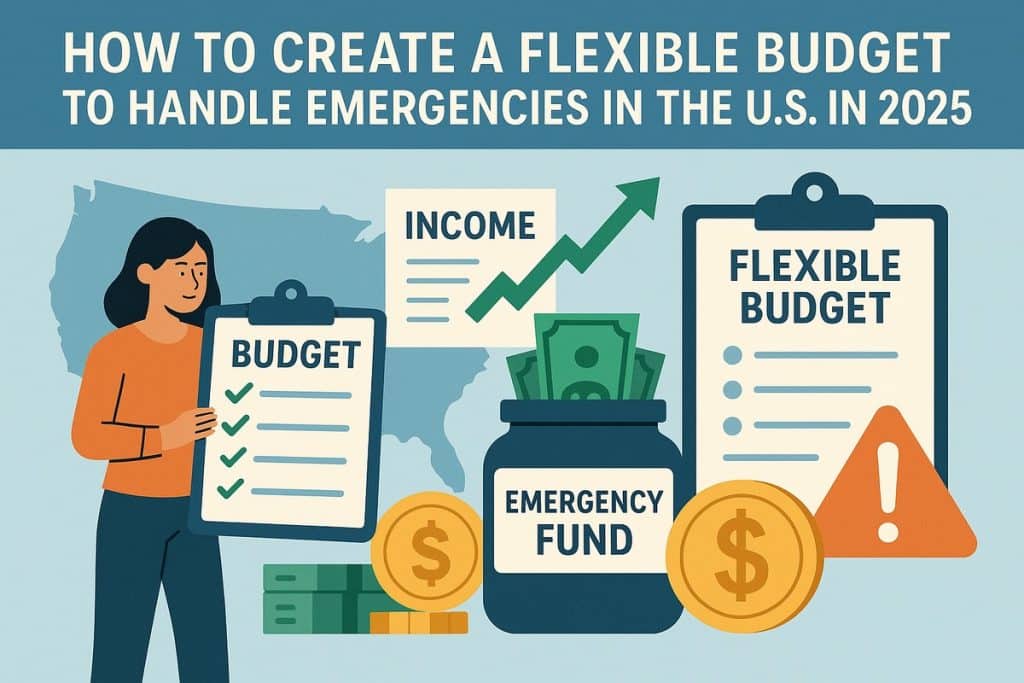
A flexible budget is essential for managing unexpected financial situations and providing a tailored approach to your unique needs. Unlike a static budget, which remains unchanged, a flexible budget accommodates variations in income and expenses. This adaptability allows you to reallocate funds as priorities shift, ensuring that you can cover emergencies without disrupting your financial health.
By understanding the significance of a flexible budget, you can better prepare for future uncertainties. Planning for emergencies involves evaluating your assets, debts, and expenses to create a realistic budget that can be adjusted as needed. This preparation ensures you won’t be caught off guard when the unexpected arises.
Steps to building a resilient financial plan
To build a resilient financial plan, start by examining your current financial landscape. Identify all sources of income, fixed and variable expenses, and track spending patterns to uncover areas for improvement. Establish an emergency fund covering at least three to six months of living expenses, serving as a financial safety net.
Next, prioritize debt repayment and savings contributions. By minimizing high-interest debt, you’ll free up funds for emergencies. Simultaneously, automate your savings to ensure consistent growth. Finally, regularly review your budget and adjust it as circumstances change, maintaining its flexibility and effectiveness.
Tools and strategies for adaptive budgeting
Several tools and strategies can enhance your adaptive budget, allowing you to adjust to financial challenges more effectively. Budgeting apps such as YNAB or Mint can provide insights into your spending habits and help you identify areas for improvement. These tools can simplify tracking expenses and maintaining financial discipline.
Additionally, consider using the envelope method for managing discretionary spending, dividing funds into categorized envelopes based on your priorities. This hands-on approach can prevent overspending and enhance financial accountability, ensuring that funds are available for emergencies when needed.
Practical ways to manage financial stress
Managing financial stress in emergencies can seem daunting, but actionable strategies can ease the burden. Start by setting clear financial goals and breaking them into manageable steps. This approach prevents being overwhelmed and enhances motivation as you achieve milestones.
Furthermore, maintain open communication with family about financial priorities and goals. This collaborative approach fosters understanding and support, reducing stress. Lastly, seek professional guidance if needed; a financial advisor can provide personalized advice and strategies to help navigate financial uncertainties effectively.
Final thoughts on flexible budgeting
In conclusion, creating a flexible budget in 2025 is an essential strategy for handling financial uncertainties in the U.S. By understanding its importance, utilizing practical tips and tools, and adapting to change, you can build a resilient financial plan that safeguards against the unexpected.
Embrace the peace of mind that a flexible budget offers, knowing that you can navigate life’s challenges with confidence. With clear goals, a solid safety net, and continuous adaptation, you will be equipped to face any financial hurdles that come your way.
