
Remote work has significantly altered Americans’ finances landscape, offering newfound flexibility and changing how individuals approach money management. The shift from traditional office settings to home-based work environments has led to significant changes, influencing everything from daily expenses to long-term financial strategies.
As millions of individuals continue to work remotely, the ripple effects on personal finance management are becoming increasingly apparent. With the potential for reduced commuting costs and different daily expenses, people are reevaluating their budgets and prioritizing their money differently. Examining the effects and benefits of this shift is essential for anyone looking to adapt to these fresh dynamics in the workplace.
Shifts in day-to-day spending
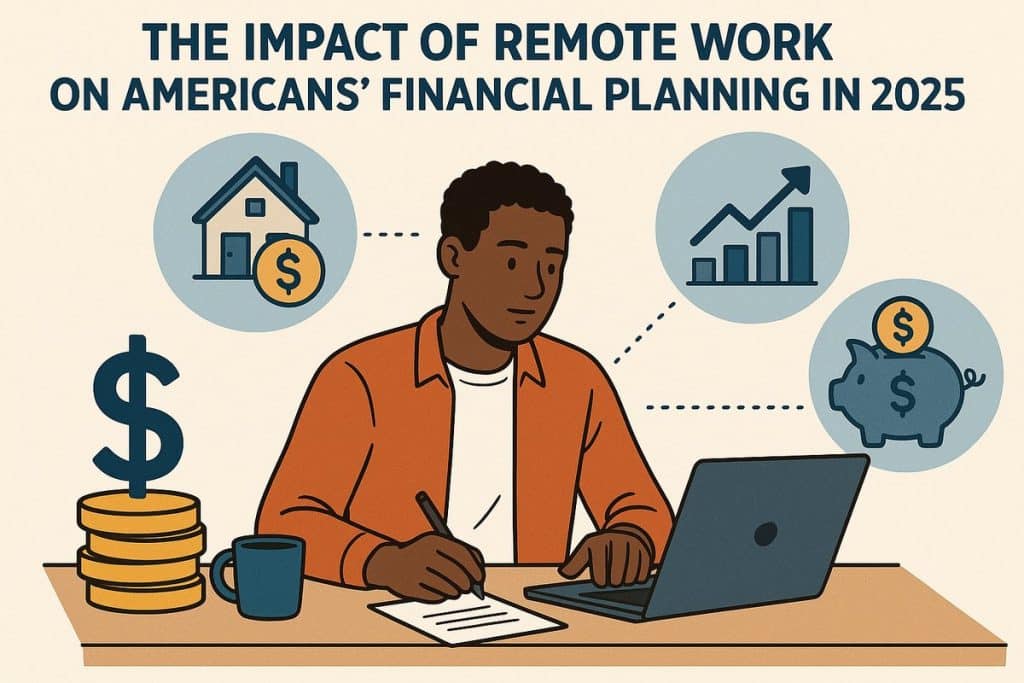
One of the most immediate impacts of remote work has been the change in everyday spending patterns. With fewer trips to the office, many employees save significantly on commuting costs, such as fuel and public transportation. Additionally, expenses related to dining out, professional wardrobes, and everyday work-related purchases have decreased, leading individuals to reassess and potentially redirect these funds.
Technology expenses, however, might see an increase as remote workers invest in better home-office setups or faster internet connections. This reallocation of daily resources requires thoughtful planning, ensuring that the savings from reduced commuting are efficiently used to enhance productivity and comfort while working from home.
Reevaluating budget priorities
The need to reconfigure financial priorities has become a common theme among remote employees. While some of the savings from reduced daily spending are allocated towards enhancing home-office capabilities, others are redirected towards savings or investments. This shift highlights the importance of setting concrete financial goals, such as building emergency funds or contributing to retirement accounts, which have become more pertinent given the new economic realities.
Being deliberate about financial planning amidst these changes can empower individuals to achieve greater stability and security. It’s essential to develop a budget plan that accommodates new expenses and channels savings towards long-term financial wellbeing.
Long-term financial implications
The influence of telecommuting extends beyond immediate financial concerns, impacting long-term financial strategies for many Americans. With reduced need to reside near workplaces, many individuals opt to move to more affordable areas, consequently affecting decisions about housing and property investments. This mobility allows for exploration of different financial opportunities, which can have a substantial impact on future asset building.
Moreover, remote work can contribute to a reevaluation of retirement planning. With increased flexibility in job locations, individuals may choose to retire earlier or adjust their retirement savings plans. Understanding these potential adjustments is key to creating a well-rounded, future-proof financial strategy.
Leveraging mobility for financial advantage
Utilizing the newfound geographical flexibility can lead to smart financial decisions. For remote employees, moving to regions with a lower cost of living can result in substantial savings on housing and everyday expenses. This strategy not only alleviates financial pressure but also creates opportunities to invest in other wealth-building pursuits, such as stock markets or real estate.
Taking advantage of this mobility enables individuals to optimize their financial outlook. By strategically choosing where to live and focusing on areas with better economic opportunities or lower living costs, remote workers can enhance their quality of life and financial resilience.
Conclusion: Embracing financial flexibility
In conclusion, the ongoing evolution of work-from-home setups has led to profound changes in how Americans approach financial management. By recognizing the shifts in everyday costs and adjusting long-term financial strategies accordingly, remote workers can harness the benefits of this new environment. Embracing these changes allows individuals to achieve greater financial flexibility and security.
The key lies in proactive financial planning and reevaluating current priorities and strategies. As individuals continue to navigate this transformative period, seizing the opportunities presented by remote work can lead to increased financial wellness and a more adaptable, robust financial future.
